GRIEZE
The politicisation of the art world
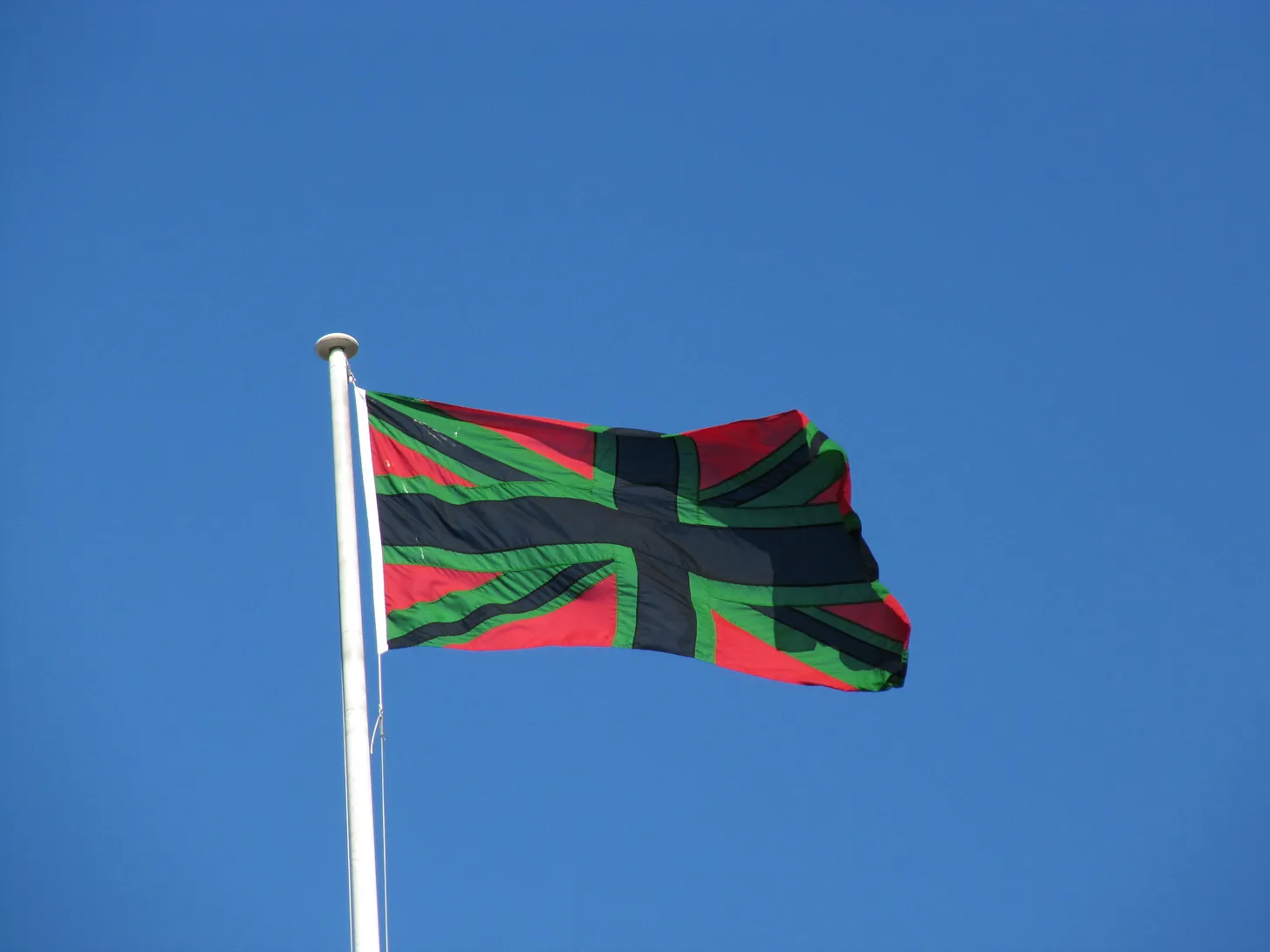
I set out to write about the current state of Black art. Is it thriving? Is it losing market value? Has it peaked? Is it just getting started? Have identity politics ruined contemporary art as Dean Kissick suggests? I realised I couldn’t answer all of the above in one piece, so I’ll be splitting this up into a series of essays. I won’t be critically engaging with artworks or aesthetics at this stage for the sake of word count (but soon come). I’ll be discussing the politics behind prizes, curation, strategy, arts programming primarily in the UK/Europe. I really could start at any point in art history to tell this story, but I’m going to start in 2017.
I recently interviewed the artist Helen Cammock for a piece in The Guardian about the show Connecting Thin Black Lines which opened at London’s ICA this summer. We were reflecting on the legacy of the original 1985 exhibition, The Thin Black Line, which was curated by Lubaina Himid and featured works by Black and Asian women artists including Ingrid Pollard, Jennifer Comrie, Marlene Smith, Sutapa Biswas. I had asked Cammock if there was a moment in recent times that she felt as though things shifted for Black artists and she mentioned Himid’s 2017 Turner Prize win. At 62, Himid was the first Black woman to ever win the prize. It was true — Himid’s win seemed to instigate a national discussion about the systematic exclusion of Black British artists from the art canon. As Himid put it in an interview with The Times: “I was a 50-year overnight success”. She had the perfect underdog story.
However, there were several events that I believe accelerated a wave of political consciousness that in turn, created a pathway for Black artists to come to the foreground, in both useful and unfortunate ways. Here is a brief list of events in 2017 that I believe changed the trajectory of Black artists in the UK and beyond.
Donald Trump’s inauguration as the 45th president of the United States.
Theresa May triggering Article 50 after the UK voted to leave the European Union in 2016.
The UK general election which saw the Conservatives lose their parliamentary majority and form a government with the Democratic Unionist Party.
The Labour party losing the election but their vote share increasing by +9.5 under Jeremy Corbyn’s leadership.
The rise of populist and radical right parties and movements in Europe.
Grenfell Tower catching fire in one of London’s richest boroughs — North Kensington.
The emergence of the #MeToo movement.
Meghan Markle and Prince Harry’s engagement (not a “political event” in the strictest sense, but it would go on to become a catalyst for the most open discussions on racism and the monarchy the UK has ever had).
The Black Lives Matter movement, which had been active since 2013 but was growing stronger year on year.
All of these things collectively helped to create a frantic and fertile bed for the politicisation of the art world. I’ll unpack some of these events throughout the series.
I want to dive into the technicalities of the 2017 Turner Prize for a quick second. Since 1991, only artists up to the age of 50 could be nominated. It’s not at all surprising then, that in 2017, when the age limit was removed, the two oldest artists to be nominated were Black. Himid at 62 and Hurvin Anderson at 52. The age limit had initially been proposed by then Channel 4 head of arts Waldemar Januszczak. With sponsorship from Channel 4, the ceremony would be televised and the age limit would help to revamp the prize into something hot and sexy. The new-and-improved Turner Prize sensationalised youth in the same way that critics did at the time. A year later in 1992, the term “young British artists” was coined in an Artforum column by Michael Corris. Over the next decade, the YBAs would dominate the Turner Prize shortlist. Rachel Whiteread, Damien Hirst, Sarah Lucas, Tracey Emin, Gillian Wearing, Chris Ofili.
The 2017 removal of the age limit was met with criticism. Ben Luke wrote a piece in Art Newspaper titled: “Why try to fix the Turner Prize when it ain’t broke”. He wrote:
“In the past 25 years, the Turner Prize has been the least flawed, becoming a crucial element in the revolution in Britain’s attitude to contemporary art and in establishing a platform for young artists to gain national prominence.”
It’s actually laughable to call the prize unbroken and least flawed when it had completely ignored an entire generation of Black British artists. Let me be very clear here, I’m not glorifying the Turner Prize as some kind of beacon of excellence — I’m using it to illustrate a point about who is canonised. If the prize was intended to be a platform for emerging talent, why had no artists associated with the BLK Art Group ever been in the running? Where was Donald Rodney or Keith Piper or Eddie Chambers or Marlene Smith or Claudette Johnson? Black British artists had been putting on their own exhibitions long before the YBA’s seminal Freeze exhibition in 1988. Yet, not a single artist associated with the BLK Art Group was nominated until Himid in 2017.