The Nerve
On AI Music
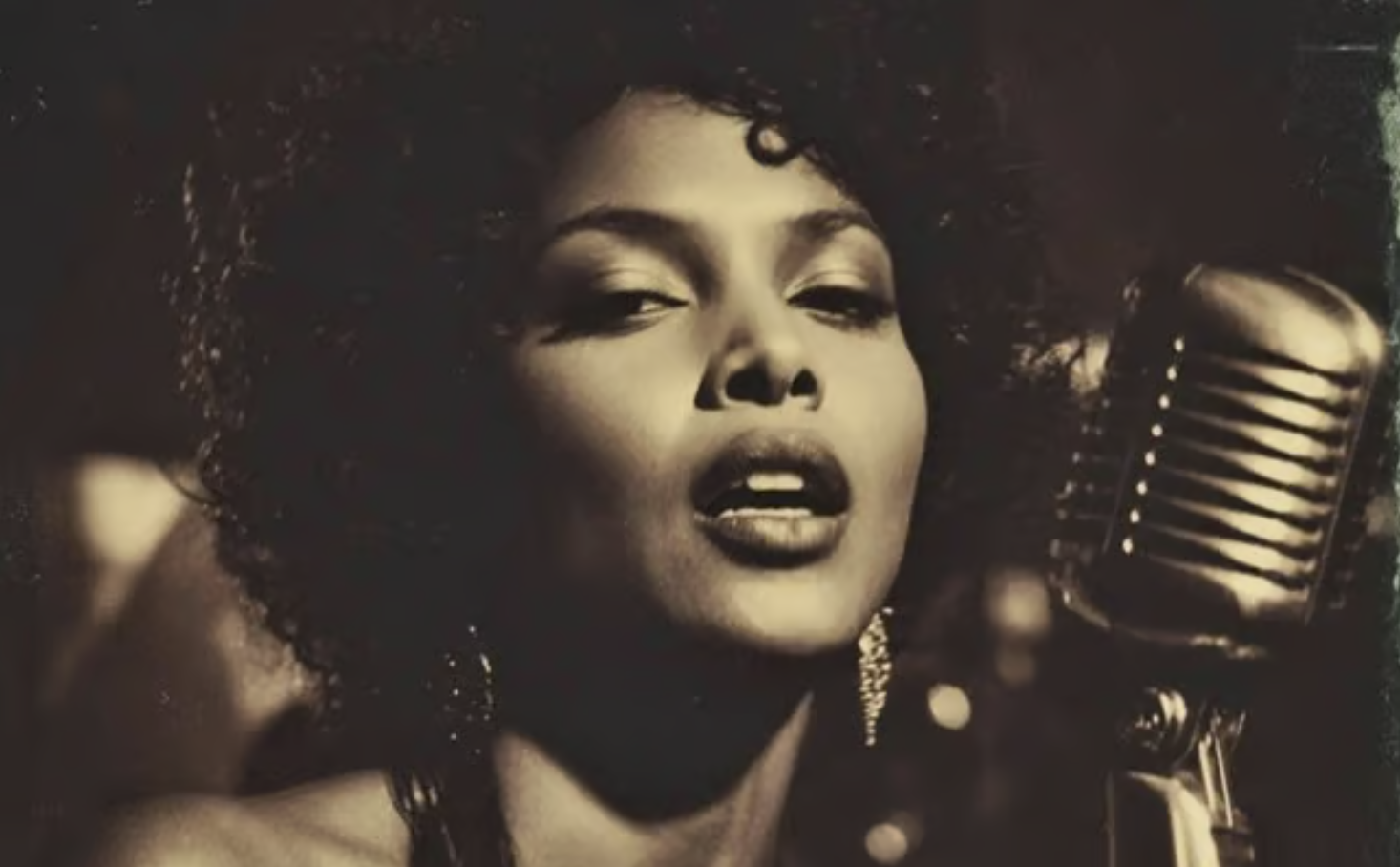
“Hypothetically, if u watched this 2x u would be the reason my little song went viral,” reads the text on a video posted by singer-songwriter Sienna Rose on Instagram. Her smooth neo-soul song Into the Blue, which currently has over 12 million listens on Spotify, plays in the background. But there’s something eerie about Rose: the glitchiness of her facial expressions if you zoom in close, the sheen of the song – polished in a way that is uncommon for new artists. But, most suspiciously, it’s the speed in which she appears to be putting music out, releasing two albums and two EPs – 32 songs – between September and December last year. Rolling Stone described the frequency of her releases as “implausible” and concluded that she had to be the work of artificial intelligence.
Still, AI creations appear to be achieving the kinds of successes real musicians dream of. AI R&B artist Xania Monet signed a record deal with Hallwood Media for $3m and became the first AI artist to chart on Billboard with the song How Was I Supposed to Know?
It might seem like tech-savvy entrepreneurialism, but the truth is that many of these fabricated songs are often just patchworks of real ones. AI music-generation programs are trained using real copyrighted music. When a song by British dance act Haven called I Run went viral in late 2025, singer Jorja Smith’s record label, FAMM, released a statement accusing Haven of purposeful deception by leading the public to believe it featured Smith’s vocals when in fact they were AI-generated. “AI technology is being trained on the labour and ingenuity of the very same creators it intends to replace without any due credit or compensation,” FAMM said.